
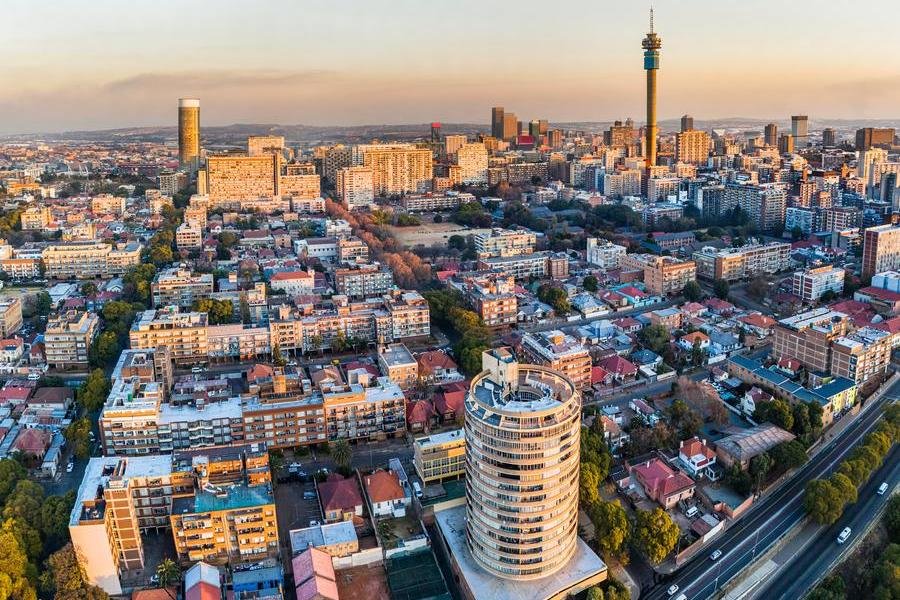
South Africa’s government has committed to investing over $56 billion (R1 trillion) in infrastructure over the next three years to modernize roads, ports, rail, energy, and water systems. President Cyril Ramaphosa made this announcement during his presentation of the Presidency Budget Vote for the 2025/2026 financial year in Parliament.
The government’s investment aims to lower electricity costs and increase renewable energy generation, essential for driving economic growth and creating jobs. Ramaphosa stated, “South Africans benefit when the economy grows, when jobs are created, when established industries expand and new industries emerge.”
The Infrastructure Fund will focus on projects that enhance connectivity and supply essential services. The government has adjusted regulations for Public-Private Partnerships (PPPs) to facilitate private sector investment in crucial areas, including renewable energy and housing.
Currently, South Africa faces high unemployment rates and low economic growth, which complicate efforts to reduce poverty. Addressing challenges such as corruption and crime remains a priority for the government, which has formed a Government of National Unity (GNU) to guide the country towards growth and stability.
The GNU has implemented a Medium-Term Development Plan (MTDP) to outline specific actions for the next five years, focusing on infrastructure and economic reforms. All government ministries and national entities are expected to collaborate to fulfill these goals effectively.
A National Dialogue is underway, inviting input from various societal groups to establish a social compact that aligns with the National Development Plan. This initiative aims to drive development and national cohesion while respecting democratic processes.
President Ramaphosa emphasized that the government is committed to addressing immediate issues shared by South Africans, including economic growth, job creation, and local governance. He noted, “Everything that this government does—from trade negotiations to economic reforms—is directed towards meeting the needs of South Africa’s people and securing their future.”
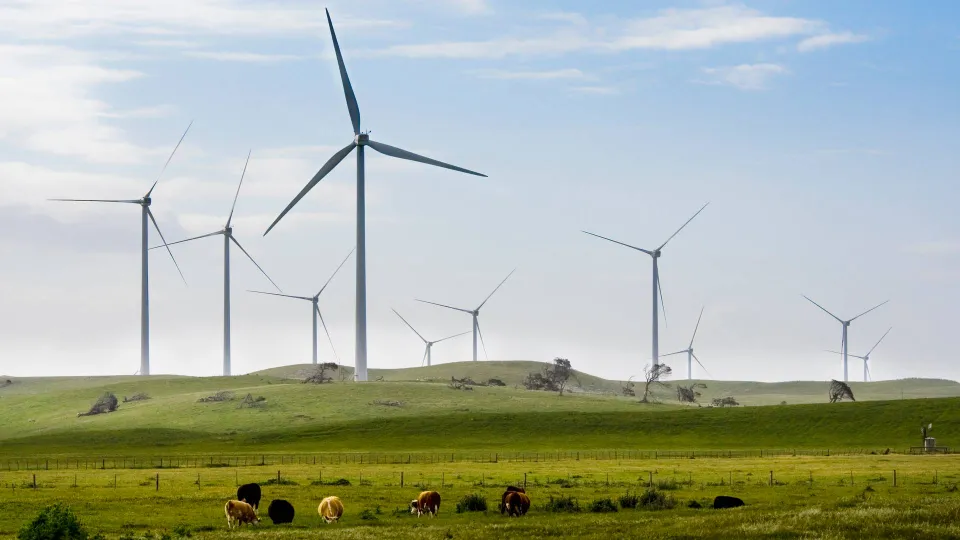
In the energy sector, Ramaphosa pointed out significant progress in reducing the frequency and severity of load shedding, moving towards a more stable electricity supply. Government initiatives aim to create a competitive electricity market, which is expected to attract substantial investments in energy generation. This shift will reduce electricity costs and increase renewable energy usage throughout the nation.
South Africa has also secured international pledges amounting to R230 billion for its just energy transition, focusing on investments in renewable energy and infrastructure improvement. The government’s strategic plans, including the Critical Minerals and Metals Strategy, are intended to leverage the country’s mineral resources to create jobs and stimulate economic development.
The government’s commitment to infrastructure investment and renewable energy projects signifies a proactive approach to enhancing South Africa’s economic landscape and addressing the urgent needs of its populace.

 English
  Arabic