

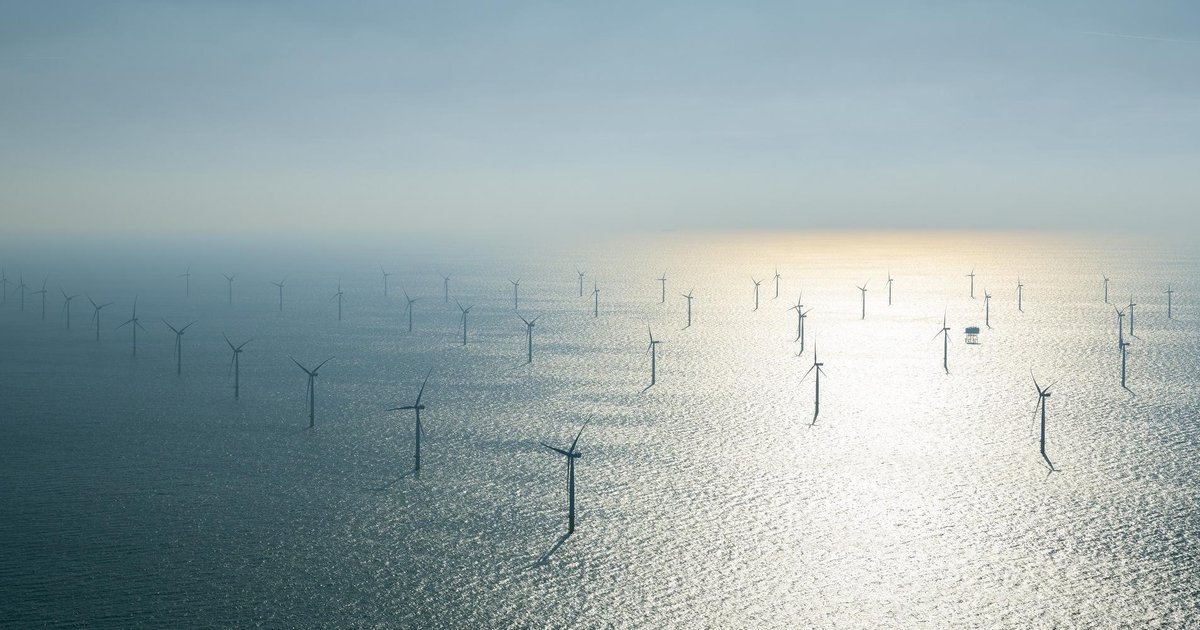
India’s offshore wind energy potential exceeds 70 GW, concentrated mainly in Gujarat and Tamil Nadu. This vast resource offers a critical opportunity for the country to advance its clean energy transition. With a goal of achieving 30 GW of offshore wind capacity by 2030, India is poised to tap into this largely unexploited energy source.
At the 13th annual Wind Power conference hosted by Renewable Watch, industry leaders discussed the offshore wind landscape in India, including cost dynamics, challenges, and best practices drawn from global markets. Jesper Badea Jensen highlighted a study conducted by the European Union in collaboration with the Ministry of New and Renewable Energy (MNRE) and the National Institute of Wind Energy. This research found that India’s coastline could feasibly support approximately 70 GW of offshore wind capacity, surpassing current installations in Europe.
India’s existing expertise in onshore wind could facilitate the development of offshore wind projects. However, the sector faces several hurdles, notably its capital-intensive nature and the specialized knowledge required. The current limited number of original equipment manufacturers (OEMs) capable of providing the necessary offshore wind technology exacerbates these challenges. Additionally, there is a shortage of installation vessels, alongside high tariffs and inflation, which further complicates project financing.
The competitiveness of alternative renewable energy sources, such as solar, adds urgency to the need for clear communication about offshore wind’s advantages. Initial funding and subsidies are vital for attracting investment; in Europe, early offshore wind projects were auctioned at strike prices around Rs 11-12 per unit, supported by favorable financing conditions. Similarly, Denmark’s market operates with only 5-10% of power generated under power purchase agreements, allowing the majority to be sold directly into the market.
To mitigate risks for developers, India is considering contracts for difference (CfDs) as a potential support mechanism. Furthermore, while near-shore wind presents opportunities, it must be approached separately from offshore wind due to distinct technological requirements.
Harsh Nupur Joshi from ONGC Green Limited emphasized the need for government backing to launch pilot offshore wind projects, as the company collaborates with NTPC Limited in this area. The government’s offshore wind strategy includes three modes: Mode A requires enhanced viability gap funding (VGF), Mode B necessitates an offtake guarantee for generated wind power, and Mode C calls for exclusivity provisions to attract investors. A consistent and long-term policy framework is essential for advancing this sector, especially as offshore wind could support the emerging green hydrogen market.
To compete with inexpensive solar and onshore wind, India requires robust financial, policy, and regulatory support. Currently, the high costs of offshore wind limit its adoption, highlighting the need for incentives such as accelerated depreciation and feed-in tariffs to bridge the economic gap.
India relies on importing large offshore wind turbines, as domestic manufacturers currently produce units of only 2-3 MW capacity, while offshore installations require turbines over 6 MW. Additionally, seven specialized vessels are necessary for installation, yet India has only three to four such vessels available. Given that global vessel orders are fully booked for the next few years, early bookings and clear project timelines are essential to ensure availability.
To bolster the sector, India must enhance its research and development efforts and consider production-linked incentives for offshore wind components. Streamlining the regulatory approval process is also crucial. Learning from Germany, where approval times decreased from six years to under two years, India should create a centralized system for managing permits.
Lastly, targeting hard-to-abate industries that require consistent power, such as steel and fertilizers, with specific incentives for offshore wind could further stimulate demand. The collaboration between central and state governments on initial projects will maximize the effectiveness of financial assistance and incentives, ultimately supporting the goal of installing several gigawatts of offshore wind capacity by 2032.

 English
  Arabic