
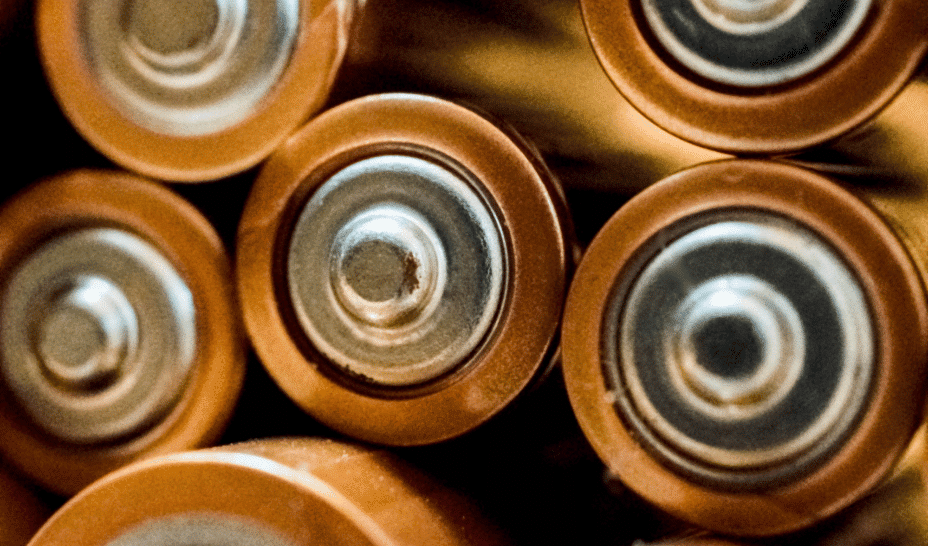
Europe’s battery energy storage sector is experiencing unprecedented growth, shifting from a niche market to a central component of the energy landscape. A recent report by SolarPower Europe reveals that 2023 saw the addition of 17.2 gigawatt-hours (GWh) of new battery capacity, marking a 94% increase from the previous year. This surge reflects a trend of doubling market size for three consecutive years, bringing the total installed capacity to approximately 36 GWh by year-end.
This expansion is driven by the urgent need to integrate renewable energy sources and the declining costs of battery technology. As countries aim to meet climate targets while ensuring energy security and economic competitiveness, the role of batteries has become increasingly vital.
**Market Segment Growth**
All sectors of the battery market are experiencing growth, albeit at varied rates. The residential market has emerged as the largest segment due to households seeking energy independence amid rising energy prices. In countries like Germany and Italy, strong adoption rates have been observed, particularly with high rooftop solar installations enhancing battery uptake.
Utility-scale battery installations are also gaining traction. Previously dominated by pilot projects, large battery systems are now becoming essential assets for grid stability and renewable integration. Germany, Italy, and the UK are at the forefront of these developments, with numerous large-scale projects either operational or in progress.
The commercial and industrial sectors are gradually adopting battery systems to manage energy costs and improve operational resilience. From manufacturing facilities to logistics centers, businesses are leveraging battery storage to avoid peak tariffs and enhance energy management.
**Cost Reductions and Policy Support**
The decline in battery costs has been a crucial factor in this growth. Battery pack prices have fallen significantly, and analysts predict that total installed system costs could decrease substantially by 2030 due to economies of scale and ongoing technological advancements. These reductions will broaden the market, making battery systems feasible for a wider range of applications.
Policy initiatives have played a pivotal role in supporting the battery boom. National and EU-wide reforms have improved revenue certainty for storage assets and eliminated regulatory obstacles, such as double taxation. New auction mechanisms in countries like Italy and Spain specifically target battery capacity, creating a more favorable investment environment.
The global supply chain also influences Europe’s battery storage landscape. While European manufacturers are ramping up production, China remains the dominant player in global battery cell production. Although this poses challenges for European industry, it has also contributed to lower global battery prices, making projects in Europe more affordable. European companies face difficulties competing with China’s scale and cost advantages, but demand for batteries remains strong as long as performance and safety standards are met.
**Integration Challenges**
Despite rapid deployment, integrating batteries with existing grid infrastructure presents challenges. Permitting for new transmission lines or capacity expansions often lags behind battery installations, raising concerns about underutilized assets in congested grid areas. Addressing these bottlenecks is essential to maximize the benefits of battery storage, including peak shaving and load shifting.
Efforts are underway to improve grid planning processes and streamline permitting for battery installations and network upgrades. Balancing battery growth with grid modernization is a pressing issue that must be resolved to ensure efficient energy delivery.
**Future Pricing Dynamics**
Looking ahead, continued reductions in battery technology costs are expected to drive further deployment. Studies suggest installation costs could halve by the end of the decade, opening new markets and use cases. Pricing for electricity will increasingly depend on three components: generation, storage, and grid infrastructure. While generation and storage costs are likely to decline, grid costs may rise due to material expenses and complex permitting processes.
As this pricing model evolves, batteries will play a key role in shaping the energy market’s economics, necessitating risk-adjusted returns for investors. Revenue stacking models, allowing batteries to participate in various market mechanisms, are emerging as viable business strategies across several jurisdictions.
**Conclusion**
Europe’s battery storage boom signifies a pivotal shift in energy planning. Storage is no longer a secondary consideration; it is crucial for determining how effectively the power system can decarbonize. Future strategies must ensure alignment between battery deployment, grid integration, and market design to avoid inefficiencies and expedite progress. With effective coordination, batteries will continue to be an indispensable asset in Europe’s energy transition, enhancing resilience and affordability in the system.


 English
  Arabic