
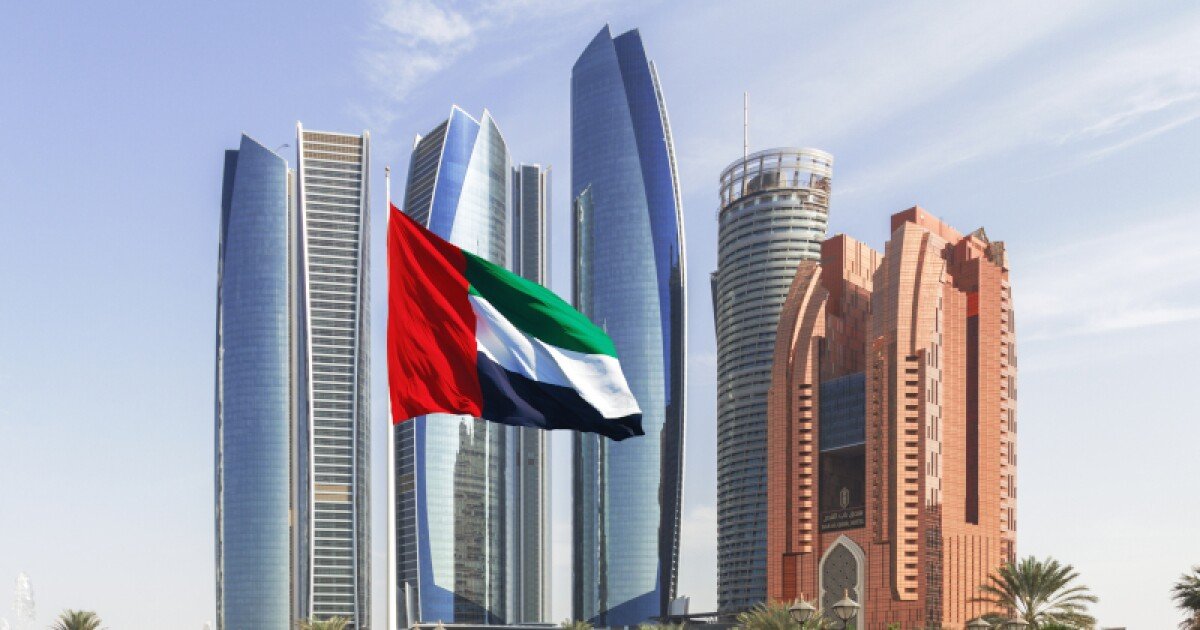
The United Arab Emirates (UAE) is intensifying its global investments in renewable energy, primarily through its state-owned company Masdar, which is backed by significant players such as the Abu Dhabi National Oil Company (Adnoc), Taqa, and the Mubadala Investment Company. This strategic shift aims to reach ambitious renewable energy targets set for 2030.
Masdar has established a goal of achieving 100 gigawatts (GW) of renewable power capacity and producing 1 million tons of green hydrogen annually by 2030. By the end of 2024, the company had already secured 51 GW of renewable capacity across domestic and international projects, marking a 62% increase in one year and a 150% rise over the past two years. Industry analysts suggest that to meet the 2030 targets, Masdar will likely rely heavily on acquisitions, as new project developments typically require extensive lead times.
In 2024, Masdar committed $8.2 billion in equity investments, focusing on mature renewable markets in Europe and the United States, which offer favorable regulatory conditions. The company has also made strides in domestic initiatives, such as reaching the financial closure for the 1.5 GW Al-Ajban solar plant in Abu Dhabi — its third large-scale solar facility in the emirate.
The UAE’s proactive approach to energy diversification underscores its goal of reducing reliance on fossil fuels while enhancing its position as a global energy hub. Although fossil fuels still dominate national investments, the trend is shifting towards cleaner energy sources. By 2030, the UAE plans to invest $54 billion in renewable projects, aiming for 19.8 GW of domestic renewable capacity, up from a previous target of 14.2 GW. As of 2024, the UAE’s installed renewable capacity reached 6.1 GW, primarily from solar power, with wind energy contributing around 100 megawatts.
Masdar’s international expansion efforts have shown promise, particularly in Europe and Central Asia, where it has successfully acquired the largest renewables company in Greece, Terna Energy, for €3.2 billion. The company is also advancing the 1.4 GW East Anglia Three offshore wind project in the UK, collaborating with Iberdrola.
However, challenges remain, particularly in expanding its operations in China, where the market is extremely competitive, and local firms operate on minimal profit margins. Despite these hurdles, Masdar has made a significant move in India by proposing a $2.9 billion acquisition of ReNew Energy Global, which would add approximately 11.2 GW of clean energy capacity to its portfolio.
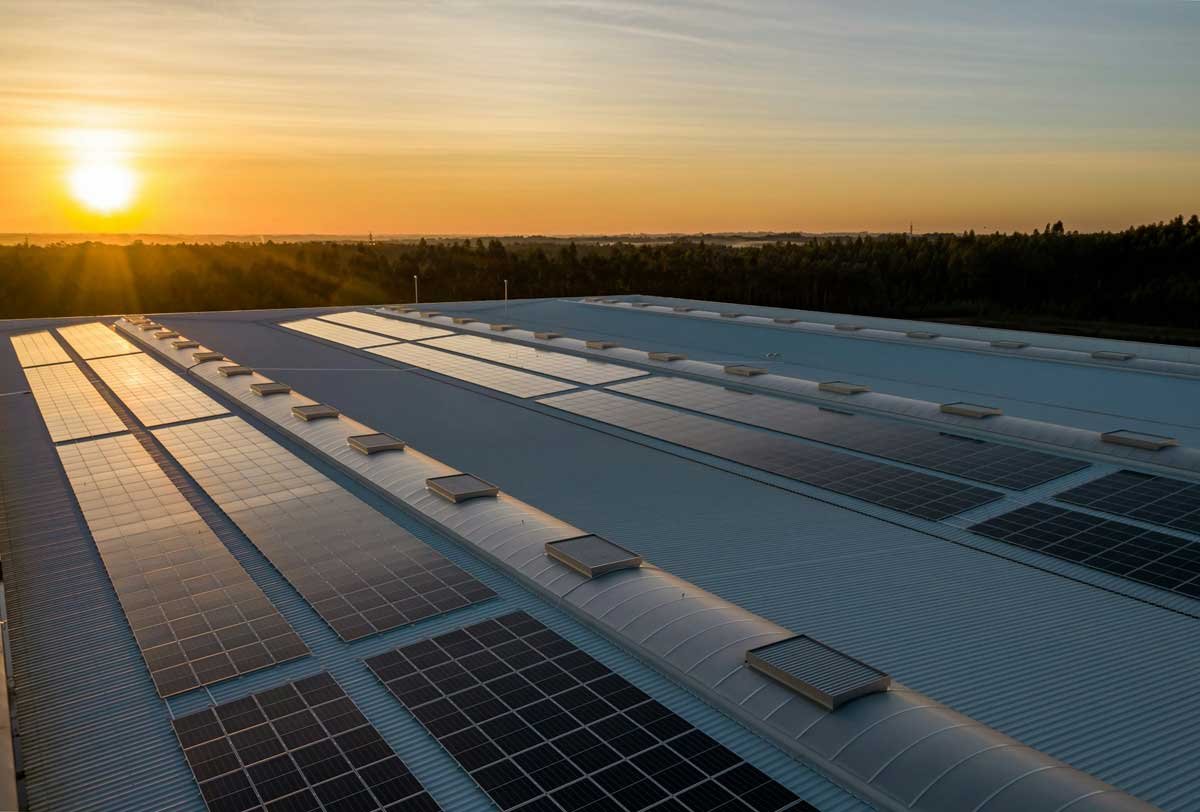
Domestically, the UAE’s solar initiatives are progressing rapidly, with a focus on utility-scale solar projects developed primarily through international partnerships. Abu Dhabi is currently operating 3.4 GW of solar capacity, with an additional 13 GW in various development stages. A flagship project includes a $6 billion facility designed to operate continuously, combining a 5.2 GW solar complex with a 19 GW-hour battery storage system and a backup gas turbine project.
In Dubai, the Mohammed bin Rashid Al-Maktoum Solar Park is expanding its capacity from 5 GW to 7.26 GW by 2030, reflecting the UAE’s commitment to renewable energy development. Despite these advancements, plans for a second nuclear plant remain stagnant, potentially delaying its construction for years as focus shifts toward renewable solutions.
The UAE’s ambitions for low-carbon hydrogen production are facing uncertainties. Plans to produce 1.4 million tons per year of green and blue hydrogen by 2031 are in progress, but many preliminary agreements have not materialized. Masdar is adjusting strategies, now focusing on supplying data centers rather than solely pursuing hydrogen production, as demand has not met early expectations.
Despite these challenges, the UAE remains committed to developing its hydrogen sector. Adnoc is pursuing blue hydrogen projects, including a 35% stake in Exxon Mobil’s Baytown project in Texas, while Fertiglobe is advancing its own blue ammonia facilities in the UAE, although some projects have faced delays due to high costs and insufficient market demand.
Overall, the UAE is on a path to substantially increase its renewable energy footprint, driven by ambitious investment strategies and a clear focus on diversifying its energy landscape.


 Arabic
  English