
A recent study from researchers at King’s College London suggests that space-based solar power (SBSP) could potentially fulfill up to 80% of Europe’s renewable energy requirements by 2050. This concept, while grounded in established technological principles, faces significant challenges regarding its economic feasibility.
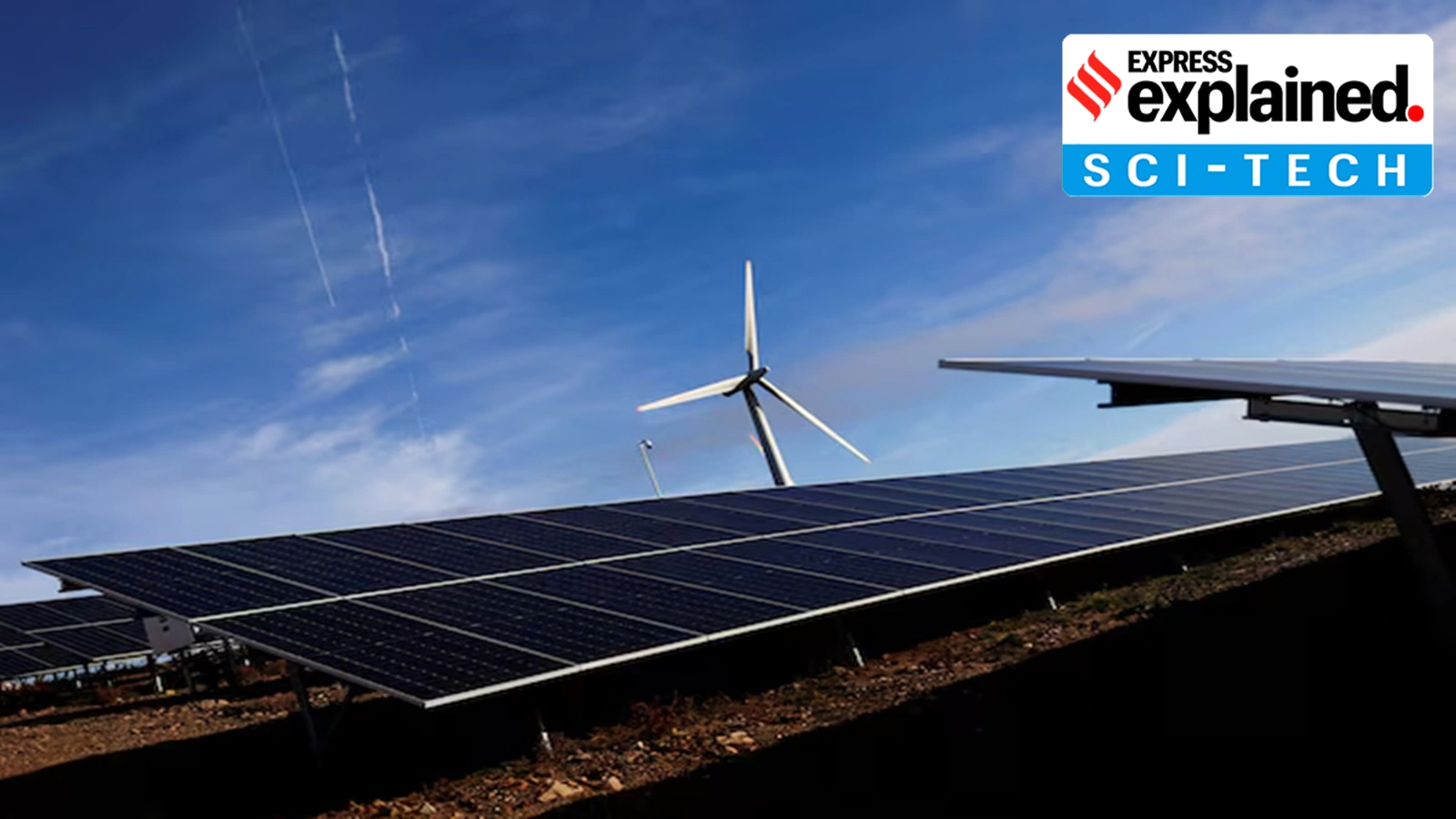
Solar power is currently the fastest-growing renewable energy source globally. According to the International Energy Agency’s ‘Renewables 2024’ report, solar capacity added between 2024 and 2030 is projected to contribute to 80% of the overall increase in renewable power worldwide. However, traditional solar energy systems face several limitations, including dependence on sunlight during the day, sensitivity to weather conditions, and a higher land requirement compared to other energy technologies.
The concept of SBSP aims to tackle these challenges. The study, published in the journal Joule, proposes that satellites in geostationary orbit could collect continuous sunlight and transmit it to Earth as microwaves. This method could provide reliable, zero-carbon power, circumventing the intermittency issues associated with terrestrial solar and wind energy.
Researchers conducted simulations based on two designs developed by NASA: a nearly continuous heliostat swarm and an intermittent planar array. These designs utilize mirror-like reflectors to capture sunlight in space, sending the harvested energy to ground stations where it is converted into electricity. The study’s co-author, engineer Wei He, emphasized the advantages of positioning solar panels in space, which allows for nearly constant exposure to sunlight and higher solar radiation levels than on the Earth’s surface.
Despite the promising potential of SBSP, economic viability remains a critical hurdle. The study does not address the financial aspects of developing such a system. Establishing large structures both in space and on the ground presents substantial logistical challenges. For instance, a single solar power satellite in geostationary orbit could span over a kilometer, with the corresponding receiver station on Earth requiring an area ten times larger.
According to the European Space Agency, launching a solar satellite capable of producing energy equivalent to that of a conventional nuclear power plant would necessitate hundreds of launches. For comparison, the construction of the smaller International Space Station involved over 40 separate assembly missions.
While launch costs have been decreasing, the extensive infrastructure required for SBSP poses a significant barrier to its practical implementation. A report from The Guardian notes that the cost-effectiveness of SBSP might not be realized until 2050, contingent on advancements in technology that could lower construction, launch, and maintenance expenses.
Additionally, the modelling conducted by the researchers did not account for specific challenges related to space operations, such as orbital congestion, transmission interruptions, and variability in energy beaming, which could impact the reliability and effectiveness of SBSP.
In summary, while space-based solar power presents an innovative approach to overcoming the limitations of traditional solar energy, significant economic and logistical challenges must be addressed before it can become a viable energy solution for Europe or beyond.

 Arabic
  English