
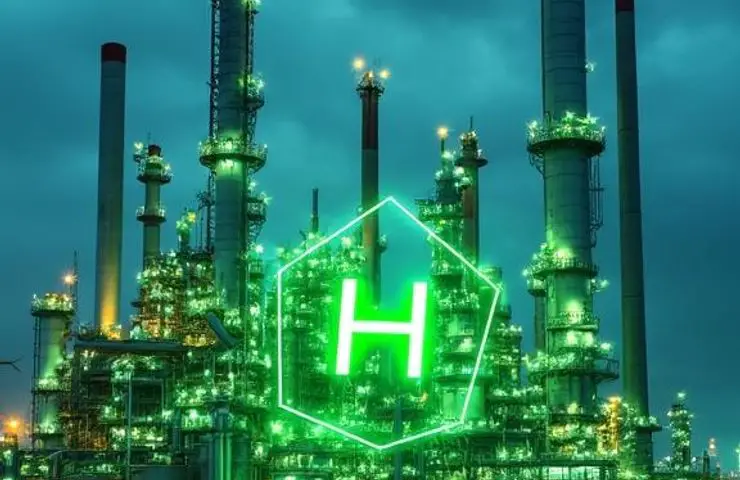
European refineries are undergoing a significant transformation as they shift their focus to producing green hydrogen, with a target of generating 500,000 tonnes by 2030. This ambitious plan is backed by over $5 billion in investments, reflecting a growing commitment to decarbonization within the energy sector.
The European Union’s RED III regulations have intensified the pressure on refiners to reduce emissions. These regulations require the replacement of fossil-based hydrogen with renewable or low-carbon alternatives. The forthcoming Delegated Acts set to be implemented in 2025 will enforce strict lifecycle greenhouse gas reduction targets for hydrogen production, including those generated through electrolysis and steam methane reforming with carbon capture, utilization, and storage (CCUS). However, the progress has been hampered by delays from some member states in adopting these rules, leaving many projects uncertain.
Traditionally, oil refineries relied on gray hydrogen produced from fossil fuels. The current shift involves substantial investments in hydrogen production technologies. Companies are increasingly turning to water electrolysis powered by renewable energy sources, such as solar and wind, as well as steam methane reforming with CCUS. This transition could lead to a reduction in emissions of over 70%. Experts in the energy sector indicate that investments in green hydrogen can be made without prohibitive costs, as seen by the declining auction prices for green hydrogen—down approximately 18% across the EU and by 55% in German tenders.
The maritime sector represents a critical opportunity for green hydrogen utilization. Given the limitations of electrification for cargo ships, there is a growing interest in hydrogen derivatives, particularly ammonia and methanol. The FuelEU Maritime regulations, along with the International Maritime Organization’s Net Zero Framework, require shipping lines to adopt cleaner fuel alternatives. This involves using ammonia produced from green hydrogen alongside conventional marine diesel, facilitating a gradual transition to zero-emission shipping for long-distance routes.
Despite the promising outlook, challenges remain. Fluctuating policies and the higher costs associated with clean hydrogen present obstacles to widespread adoption. Additionally, until all EU countries finalize their RED III rulebooks, progress will remain inconsistent. On a positive note, the EU Hydrogen Bank is providing financial support, and the establishment of guarantee of origin standards is expected to improve market clarity for hydrogen infrastructure.
By 2030, refiners need to produce around 500,000 tonnes of green hydrogen annually to comply with regulations. This goal highlights the scale of change required in the industry. While renewable fuels of non-biological origin in transportation are anticipated to reach only 1%, the ripple effects could be substantial for aviation, chemicals, and other sectors as supply stabilizes and costs decrease.
European refineries are at a pivotal moment. If costs continue to decline and regulations solidify, these facilities could evolve into central hubs for sustainable energy, supporting not only the industrial sector but also shipping and potentially other areas. This shift represents a significant investment in decarbonization and the future landscape of sustainable energy in Europe.


 Arabic
  English