
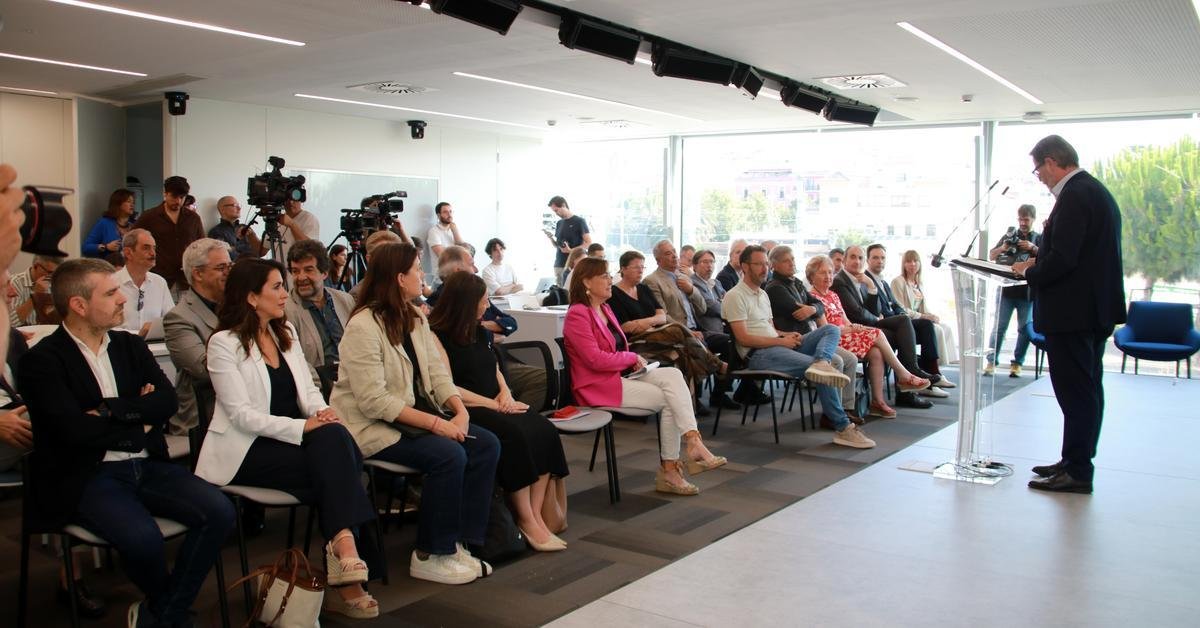
The Port of Tarragona is positioning itself as a key center for offshore wind power logistics. To align with the European Union’s target of achieving carbon neutrality by 2050, the Catalan government is advancing initiatives in floating offshore wind energy. While some European nations have already begun developing offshore wind projects, southern Europe is just starting to bid for its first offshore wind farms.
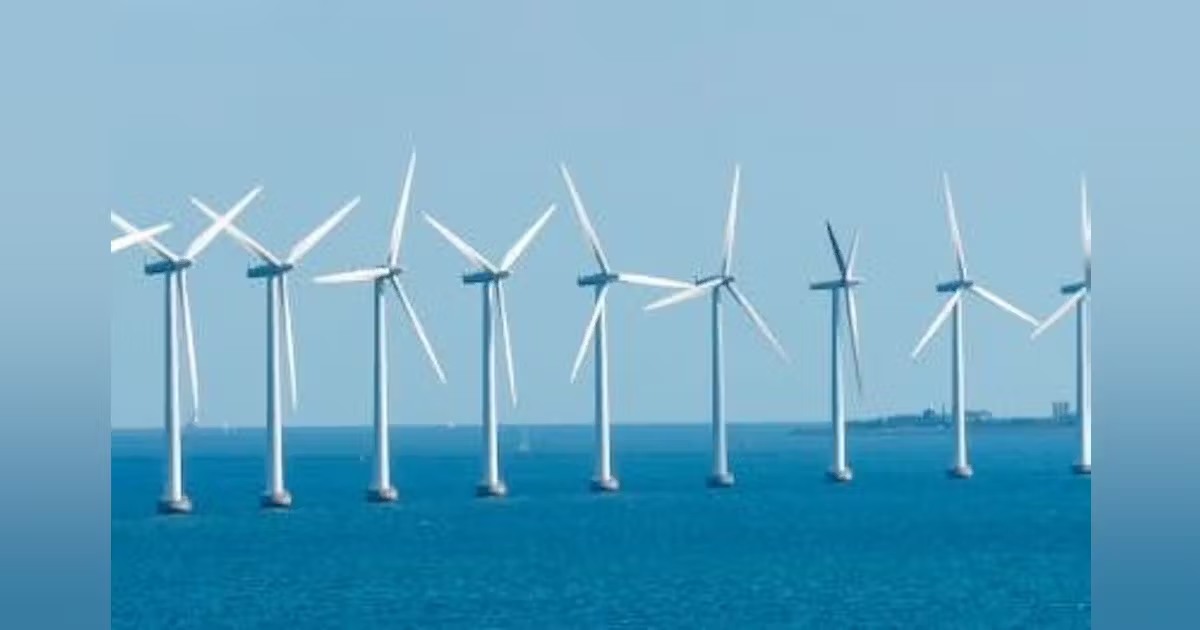
In Catalonia, plans are underway for two major installations in the Gulf of Roses and the Gulf of Lion. Both projects are pending environmental impact assessments, but the government anticipates launching tenders soon. The Gulf of Roses project alone plans to deploy between 50 and 60 wind turbines, generating approximately 1,000 megawatts—50% of the target output for offshore wind by 2050.
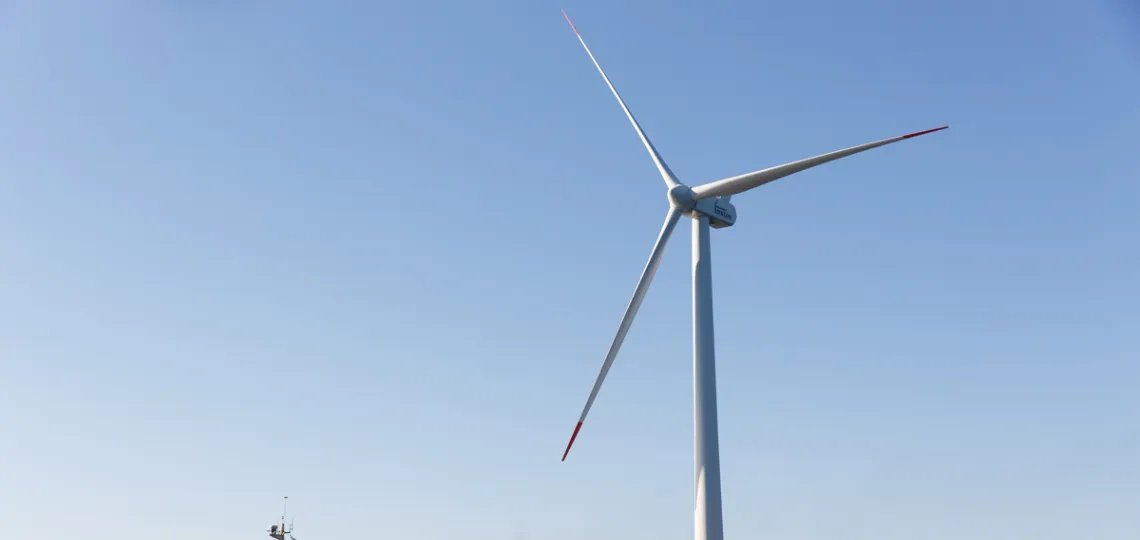
These towering structures will exceed 180 meters in height. Besides Catalonia, similar wind farms are being planned for Sardinia and Sicily, with operations expected to commence between 2028 and 2029, along with additional sites along the French coast.
The emergence of offshore wind technology presents new business opportunities, and the Port of Tarragona has been preparing to serve as a logistical hub for this sector. The port is undergoing an electrification process and plans to expand by 19 hectares by 2030, enhancing its capacity to support offshore wind operations. Santiago J. Castellà, the port’s president, expressed confidence in the port’s suitability for future offshore wind projects, citing its draft characteristics and planned facilities.
Assembling, towing, and securing wind turbines at sea, along with ongoing maintenance, are essential tasks that the port aims to handle. Castellà emphasized the strategic importance of this industry for the region.
The Port of Tarragona’s initiative gained momentum with strong institutional support during a recent visit from several key political figures, including Regional Minister for Territory Silvia Paneque and Anna Camps, Director of the Catalan Energy Institute. Their presence underscored the regional government’s commitment to establishing Tarragona as the logistics center for floating offshore wind energy in Catalonia, Spain, and Europe.
Minister Paneque highlighted the economic potential of this initiative, labeling it a chance for Catalonia to lead in the new industrial, sustainable, and green revolution. She noted the need for consensus on the visual impact of these large wind turbines, both offshore and on land, but insisted that action must be taken without delay to meet energy transition goals.
With interested companies already engaged and confidentiality agreements signed, the Port of Tarragona is poised to play a vital role in the future of offshore wind energy in the region.
 Arabic
  English