

The Indian Renewable Energy Development Agency (IREDA) has established a revenue target of ₹8,200 crores for the fiscal year 2025-26 through a performance-based Memorandum of Understanding (MoU) signed with the Ministry of New and Renewable Energy (MNRE). This agreement, finalized in New Delhi by MNRE Secretary Santosh Kumar Sarangi and IREDA CMD Pradip Kumar Das, sets clear performance indicators including Return on Net Worth, Return on Capital Employed, Non-Performing Assets to Total Loans ratio, Asset Turnover Ratio, and Earnings Before Tax, Depreciation, and Amortization (EBTDA).
In the previous fiscal year 2024-25, IREDA exceeded its revenue target, reaching ₹6,743.32 crores compared to an initial goal of ₹5,957 crores. This growth reflects IREDA’s effective strategies in financing renewable projects across India.
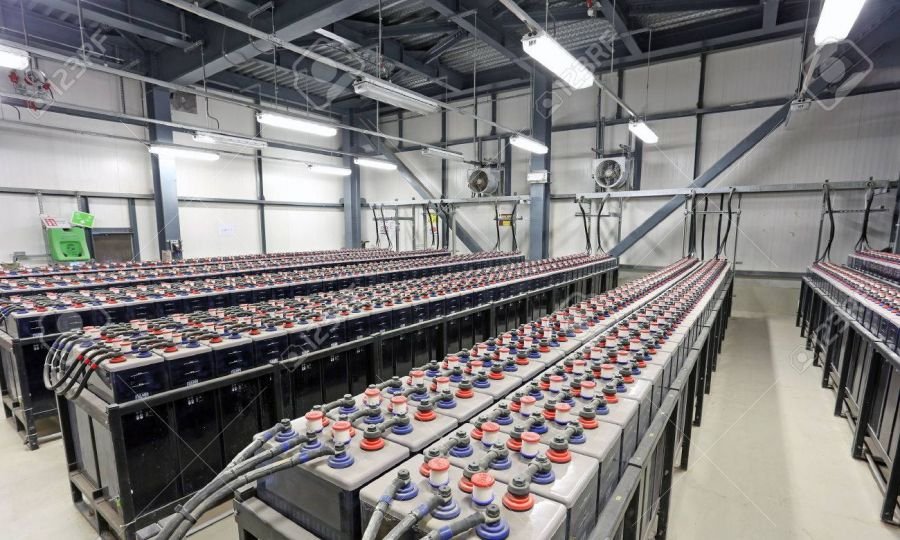
Meanwhile, Greengo has received approval to construct a 120-MW/480-MWh battery energy storage system (BESS) in Italy. This project aims to enhance grid stability and facilitate the integration of renewable energy sources as Italy expands its solar and wind capacity. The investment in this large-scale lithium-ion battery system allows for efficient energy shifting and frequency regulation, critical for managing the intermittent nature of renewable sources.
Utilities and grid operators are expected to benefit from improved system efficiency and reduced energy curtailment, thereby promoting greater adoption of renewable energy technologies. Greengo’s initiative aligns with Italy’s strategy to bolster its energy infrastructure and reduce carbon emissions, showcasing the importance of advanced storage solutions in achieving national decarbonization goals.
In Eastern Europe, Qair is expanding its renewable energy footprint by securing agreements to increase its wind power capacity in Romania and Moldova to a total of 135.5 MW. This strategic expansion aims to enhance the clean energy transition in these emerging markets while supporting regional energy independence.
By investing in advanced wind technologies, Qair aims to provide local utilities and businesses with greater access to renewable energy, improving grid stability and contributing to the climate targets of both nations. This move is part of Qair’s ongoing commitment to sustainable growth and innovation in renewable energy deployment.
Overall, these developments highlight the ongoing investment and strategic advancements in the renewable energy sector, emphasizing the critical role of energy storage and wind power in achieving national and regional energy goals.
 Arabic
  English