

The European Union’s recent sanctions package against Russia marks a turning point in its energy strategy. Enacted in July 2025, the 18th sanctions package targets Russia’s energy revenues, implementing a price cap of $47.6 per barrel on Russian oil and imposing restrictions on shadow fleets. These measures aim to limit Moscow’s financing of military operations while accelerating the EU’s transition to alternative energy sources.
**Immediate Financial Impact on Russia** The sanctions have severely impacted Russia’s economy, which heavily relies on fossil fuel revenues. In June 2025, these revenues fell by 18% compared to the previous year, despite an 8% increase in export volumes. The price cap and enforcement actions resulted in a loss of €0.55 billion, demonstrating the effectiveness of the EU’s strategy. Blocking ship-to-ship transfers and sanctioning over 400 tankers have further hampered Russia’s ability to bypass restrictions. While Urals crude prices briefly surpassed the cap in June, the growing discount to Brent crude indicates a decline in competitiveness for Russian oil on the global market.
**Long-Term Infrastructure Developments** The EU’s REPowerEU Plan, initiated following the 2022 invasion of Ukraine, has become central to the bloc’s energy transition. As of 2025, Russian gas imports have plummeted from 45% in 2021 to just 19%. In contrast, renewable energy now accounts for 50% of the EU’s electricity generation.
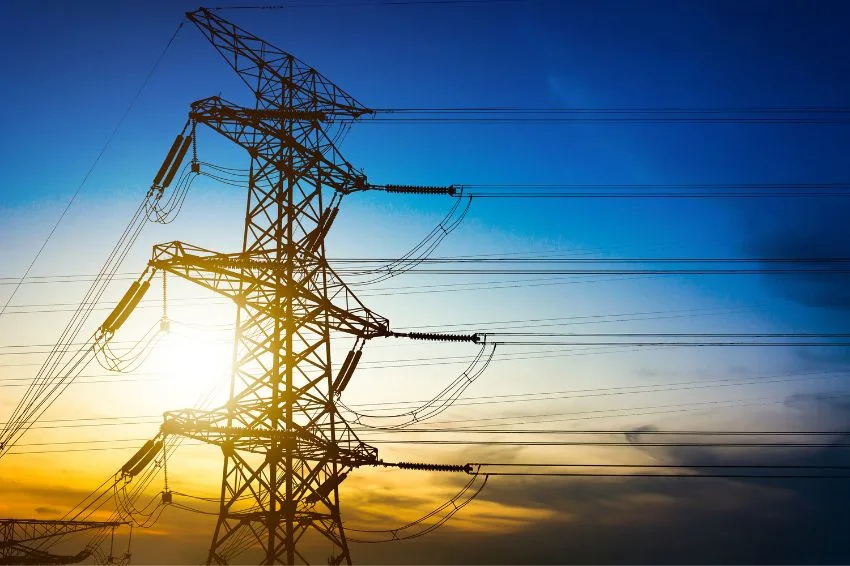
Key initiatives under this plan include: – **Green Hydrogen Expansion:** The EU’s IPCEI Hy2Tech project, which involves 35 companies and 41 projects, focuses on increasing hydrogen production for industrial decarbonization. – **Grid Modernization:** A substantial investment of €300 billion is allocated to enhance transmission networks, eliminate bottlenecks, and integrate intermittent renewable sources. – **Methane Regulations:** Stricter EU methane regulations are influencing global LNG markets, benefitting producers who adopt cleaner technologies.
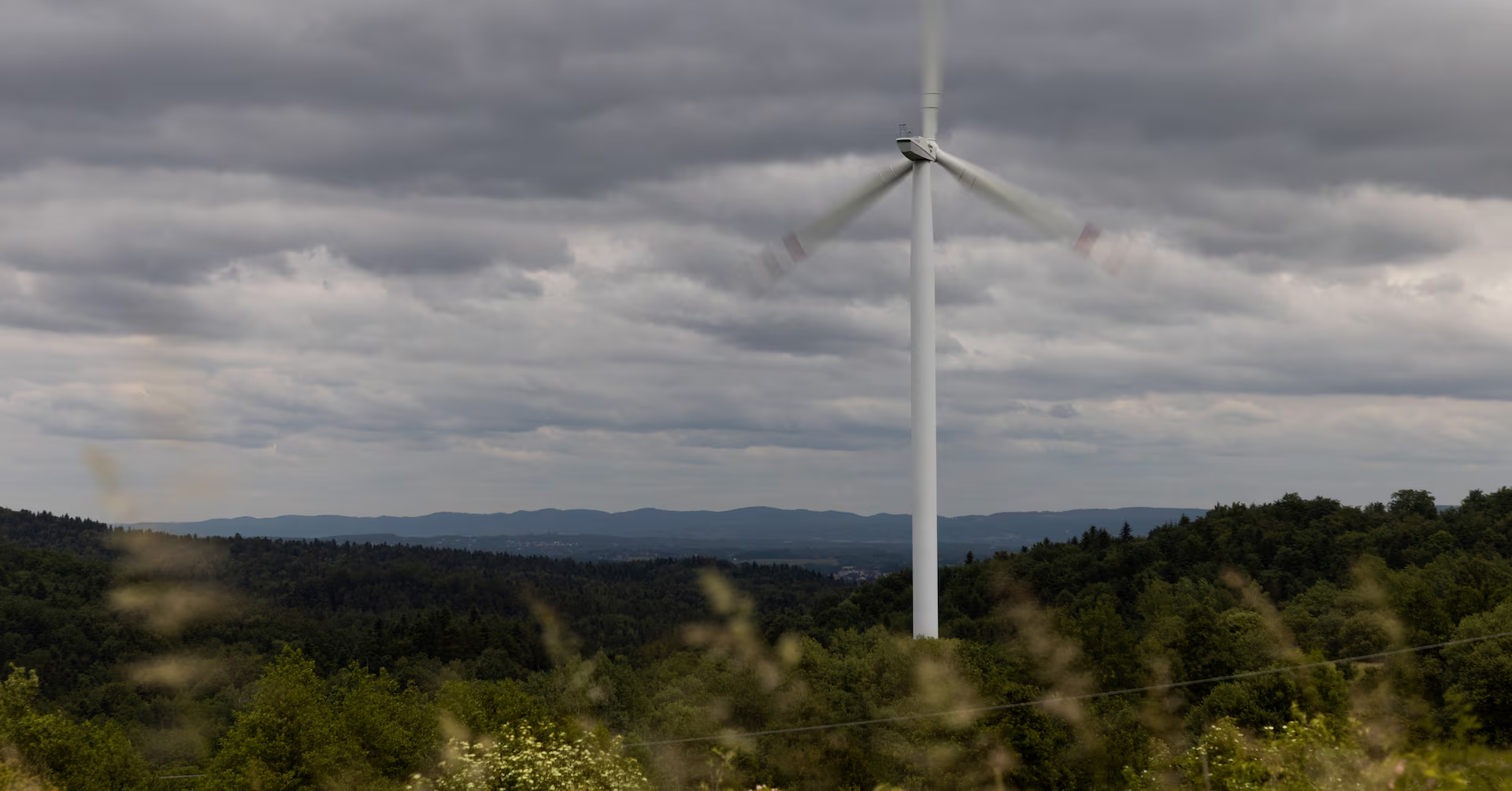
**Investment Opportunities in Renewable Energy** The sanctions have catalyzed an energy transition, creating unique investment opportunities across various regions and technologies: 1. **Southern Europe:** Countries like Spain, Italy, and Greece are experiencing rapid growth in solar power, with annual capacity increases exceeding 30%. Companies such as Iberdrola and Enel are expanding utility-scale solar projects, while demand for battery storage is rising to address energy intermittency. 2. **Northern Europe:** Denmark, Germany, and the Netherlands are at the forefront of offshore wind development. Projects like the North Sea Wind Power Hub aim for a capacity of 100 GW by 2050. Additionally, green hydrogen hubs in the North Sea, such as NortH2, are attracting approximately €20 billion in private investment. 3. **Eastern Europe:** Poland and Romania are accelerating onshore wind projects to phase out coal. However, existing grid bottlenecks present opportunities for infrastructure investors to improve energy delivery systems. 4. **Hydrogen Technologies:** The EU’s hydrogen strategy focuses on reducing costs through greater electrolyzer efficiency. Startups are also exploring advanced storage solutions, including iron-air batteries and enhanced geothermal systems (EGS).
**Challenges Ahead** Despite strong progress, several challenges remain: – **Supply Chain Issues:** Transformer shortages and skyrocketing component costs, which have risen by 200% in the past decade, could delay project timelines. – **Market Fluctuations:** Electricity prices averaged €100/MWh in Q1 2025, largely due to increased gas demand and issues with energy curtailment in Spain and Ireland. – **Policy Uncertainties:** Changes in U.S. tax credit policies and potential regulatory shifts under new administrations may impact the hydrogen and renewable energy sectors.
**Conclusion** The EU’s 18th sanctions package has initiated a dual transformation: reducing Russia’s geopolitical power and accelerating the transition to renewable energy. Investors can capitalize on sectors that will benefit from infrastructure upgrades and hydrogen expansion. The solar boom in Southern Europe, offshore wind developments in Northern Europe, and emerging hydrogen hubs present compelling opportunities. However, patience is essential to overcome permitting delays and supply chain challenges as the EU strives to meet its 45% renewable energy target by 2030. As this energy transition unfolds, the market realities will become increasingly apparent.

 Arabic
  English