

In South Africa, ongoing power shortages are prompting households to adopt solar energy solutions, which is undermining Eskom’s financial model and amplifying energy access disparities across different communities. Over recent years, the energy crisis has transitioned solar self-generation from a niche trend to a significant movement, directly impacting Eskom, the state-owned electricity provider.
Data from Eskom’s 2023-2024 annual report reveals a 3.2% decline in electricity sales to the residential sector within a year, contributing to an overall decrease of 5.6% in sales. This trend has resulted in Eskom reporting a record deficit of 55.3 billion rand (approximately $3 billion), nearly double the previous year’s deficit of 26.2 billion rand.
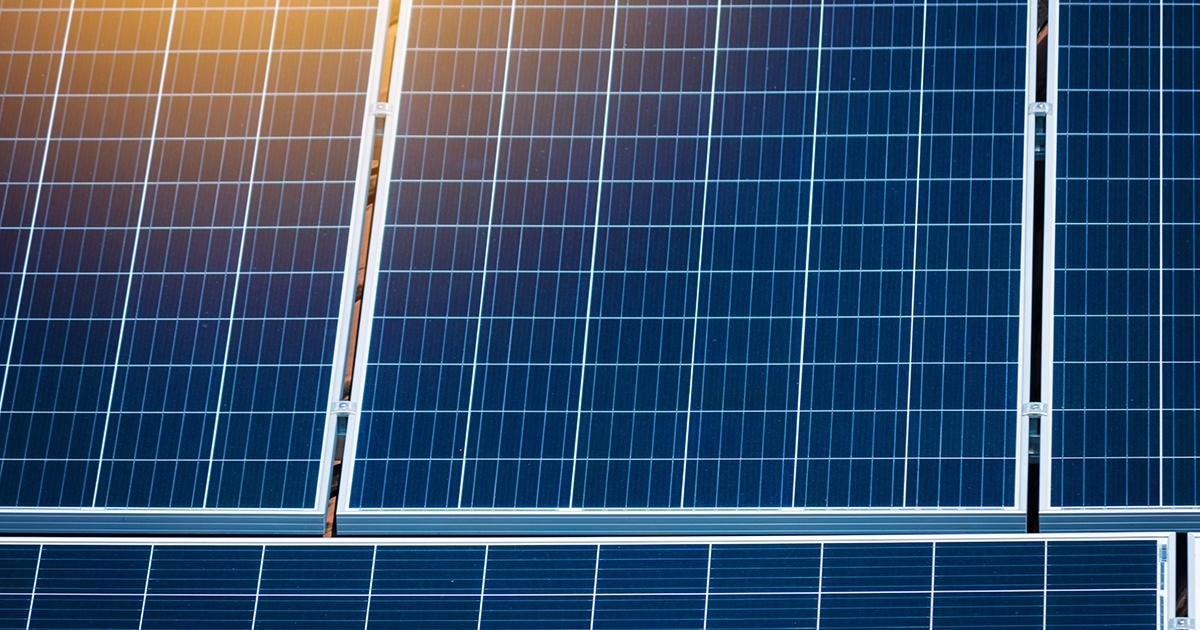
The surge in rooftop solar installations is notable. According to energy expert Anton Eberhard from the University of Cape Town, South Africa’s installed solar capacity rose from 983 MW in March 2022 to around 5,790 MW by July 2024. This growth primarily affects high-tariff customers, who are increasingly switching to self-generation, thereby eroding Eskom’s revenue base. Traditionally, revenues from these solvent customers help subsidize electricity costs for poorer communities, yet as these customers leave the grid, the internal tariff equalization mechanism falters.
In an effort to stabilize its revenue, Eskom has been actively targeting unregistered solar installations since early 2025. Leveraging satellite imagery and data analytics, the utility identifies unreported Small-Scale Embedded Generation (SSEG) systems. This allows Eskom to impose registration fees and fines of up to 50,000 rand on non-compliant users. Municipalities, particularly in KwaZulu-Natal, are adopting similar enforcement measures to regulate unauthorized solar setups, though the deterrent effect is limited compared to the savings households achieve from solar installations.
The economic impact of these changes is uneven across South African neighborhoods. A study by Oxford University published in April 2025 highlights stark differences in solar adoption. In Johannesburg’s affluent Rietrivier Estate, homes average thirteen solar panels each, while in Benoni there is only one panel per home and none in low-income Thembisa. This inequality illustrates the financial barriers that prevent lower-income households from investing in solar energy, leaving them reliant on Eskom amidst rising tariffs.
As of the end of 2022, only 21 out of 257 municipalities in South Africa had implemented domestic solar programs, benefiting around 150,000 households primarily in wealthier regions like Gauteng and the Western Cape. Consequently, lower-income families remain largely dependent on Eskom’s services and continue to face escalating costs.
Looking ahead, the situation is expected to evolve. Morgan Stanley forecasts that private electricity generation, which includes both residential solar installations and independent producers, will surpass Eskom’s output by 2025. This shift indicates a dramatic change in South Africa’s energy landscape, as increasing numbers of households opt for the independence and potential cost savings offered by solar power.
 Arabic
  English