
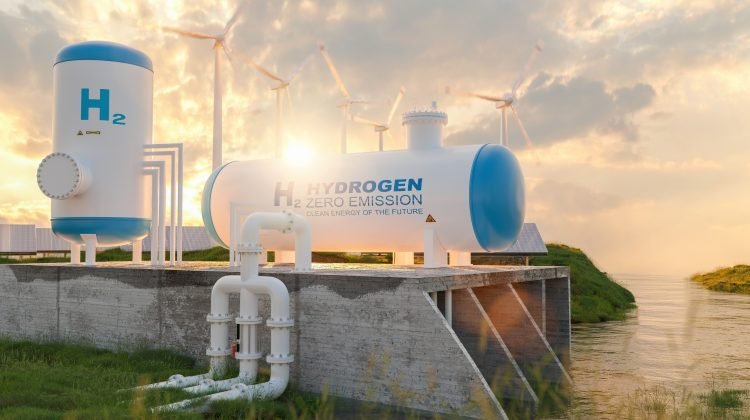
European oil refiners are emerging as key players in the green hydrogen sector, with a Wood Mackenzie report highlighting their potential to significantly scale up production. To achieve long-term growth, the industry must focus on three critical areas: cost management, technological advancement, and regulatory clarity.
One of the primary challenges facing European refiners is the high cost of green hydrogen production, which is currently much higher than traditional hydrogen methods. The main factor contributing to these elevated costs is the price of renewable electricity. However, forecasts indicate that the levelized cost of renewable electricity in Europe may decrease by 20% by the decade’s end. Furthermore, advancements in automated manufacturing and efficiency improvements for electrolyser stacks are expected to contribute to cost reductions.
Refiners must also secure access to low-cost renewable energy and operate electrolysers at high utilization rates. Recent market developments show promise; the European Commission launched the European Hydrogen Bank in 2023 to bolster domestic green hydrogen production. In its latest auction, which closed in February 2025, the average levelized cost of hydrogen (LCOH) dropped by 18% to $8.35 per kilogram, with German bids decreasing by over 55%. Notably, refineries indicated a willingness to pay a premium for green hydrogen, with a weighted average price of $9.23 per kilogram, reflecting their commitment to meet regulatory standards.
Wood Mackenzie’s analysis shows that projects focused on the refining sector in Europe are achieving an LCOH between $7.04 and $8.30 per kilogram, underscoring the sector’s progress. Ongoing project deployments are essential for further cost reductions, enabling refiners to produce green hydrogen on-site, thus ensuring offtake and addressing procurement challenges that other developers face.
While green hydrogen is a promising avenue, refiners are also exploring alternative decarbonization strategies, including carbon capture and storage (CCS), which may better suit their needs. CCS can help reduce emissions across refinery operations and facilitate a transition to blue hydrogen, although this approach will not directly satisfy the requirements of the EU’s Renewable Energy Directive III (RED III).
However, the regulatory landscape presents challenges. The RED III legislation aims to promote the green hydrogen economy, with companies like Repsol and TotalEnergies declaring it the most viable option for regulatory compliance. Yet, EU member states have been slow to translate the ambitions of RED III into national laws, which has impeded project development across the region. As of August 2025, the adoption of national legislation remains sluggish.
In summary, European refiners are positioned to lead the green hydrogen charge, driven by decreasing costs, technological advancements, and regulatory frameworks. Continued investment and strategic support from governments will be essential to fully realize the potential of this clean energy source.


 English
  Arabic